MOLECULAR HYDROGEN TABLETS
Nano-Bubble Technology
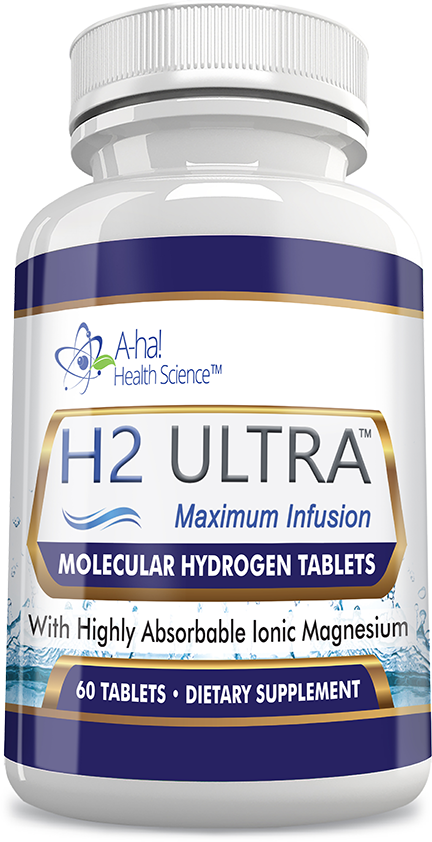
With Highly Absorbable Ionic Magnesium
We are currently offering H2 Ultra Tablets at “Private Label” only. (Shopping Cart will be “Out of Stock”)
Please Contact Us Directly for any Private Label / Distribution inquiries: stephen@h2ultra.com
Our Mission: To provide our customers with The Highest Quality, Highest Concentration, Molecular Hydrogen Tablets on the Planet.
If you have already done the required research and due diligence, and have decided you want to give Molecular Hydrogen a try, you’re in the right place! Please take advantage of our Free Shipping and get yours today.
Please Contact Us for orders outside of the USA.

Molecular Hydrogen is bringing a Revolutionary Shift to the Health and Wellness Industry. If you haven’t done so already, we encourage you to learn all you possibly can about the numerous potential benefits of Molecular Hydrogen. We feel the best way to do this is to hear directly from Researchers, Doctors and other Specialists who have a wealth of experience in this field.
A great place to start: The Molecular Hydrogen Institute.
www.MolecularHydrogenInstitute.com
We will stick to what we do best – providing you with the Absolute Best Molecular Hydrogen Tablets Anywhere.
But in fact, we do not see them as competitors. We’re all getting the word out about this Amazing Molecule. After doing your research, you will make the decision on the product that you feel is best for yourself and your family. Quite possibly from another company. That is totally OK with us.
That being said, we are absolutely confident in the High Quality and High Concentration of our product, and would be honored if you would give our Tablets a try.
Please see below where we briefly outline why we think our Tablets are the Best Choice.
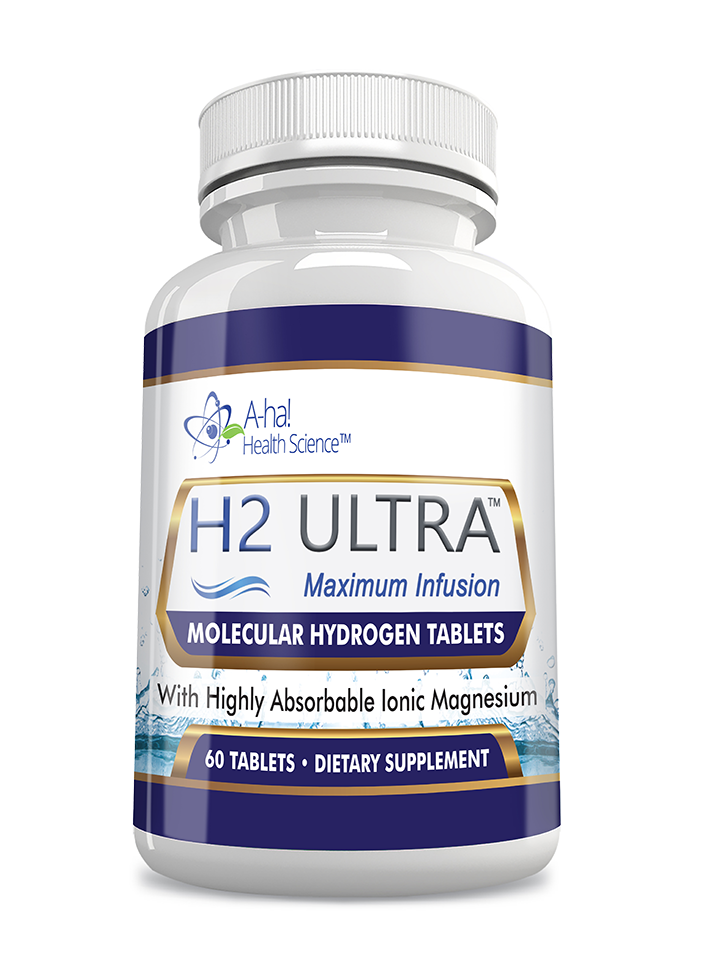
Why choose H2 ULTRA™ ?
Highest Hydrogen concentration in the Industry.
Over 9.0 ppm H2 with 1 Tablet in 16 oz of water.
Over 12.0 ppm H2 with 1 Tablet in 8-10 oz of water.
Contains highly absorbable Ionic Magnesium.
The most bioavailable form of this extremely important mineral.
Highest concentration of H2 achieved in under 2 minutes. No need to wait an extended period of time. (15 min / 30 min / or overnight)
The micronized Magnesium in the Tablets create H2 Nano-Bubbles. The most powerful way of infusing H2 into water. (Nano-Cloud Technology)
High-Tech Product. A minimum of 27 mixing and micronizing steps are required prior to pressing the Tablets. We use manufacturing facilities with the highest quality standards, and are GMP Certified.
Total Portability. Anywhere – Anytime. Hydrogen water can be created anywhere, including while flying on airplanes. (Can pass through any TSA checkpoint) No need to lug around heavy bottles, cans or pouches. Ultra High Dose Hydrogen Water on Demand – in under 2 minutes.
Environmentally Friendly. Nothing to throw away. (No aluminum cans, bottles or pouches)
Hydrogen Water can be created in an open container. (In a glass or un-capped bottle) No need for high internal pressure and the inherent problems that it can create.
Super-Saturated Hydrogen Water is created at a pH of 5.5. The absolute optimal pH for Skin, Hair and Beauty applications.
No need to drink excessive quantities of water.
1 cup (8 oz.) of our Hydrogen Water will give you a higher H2 dosage than drinking 1-2 Quarts of a product with low levels of Hydrogen. (Low ppm)
Cost Efficiency. Compared to the best-selling “packaged” Hydrogen Water products on the market, our Tablets are less than one-third the cost, and produce anywhere from 4-6 times more Hydrogen. (ppm) Shipping costs are also considerably cheaper.
The Tablets can also be used with your favorite non-carbonated beverages. (Fruit Juices, Teas, Energy and Electrolyte drinks, etc.) Hydrogen infused juices are amazing!
Our Tablets contain no preservatives, are Non-GMO, Vegan and Gluten-Free. Only the very highest quality ingredients are used in this Globally Patented product. Rest assured that you are getting the finest product available for your hard-earned money.
Hydrogen Concentration Tests - Using Methylene Blue
Open Container – Under 2 minutes
Open Container – Under 2 minutes
Molecular Hydrogen - Articles and Videos
To Your Health and Wellness
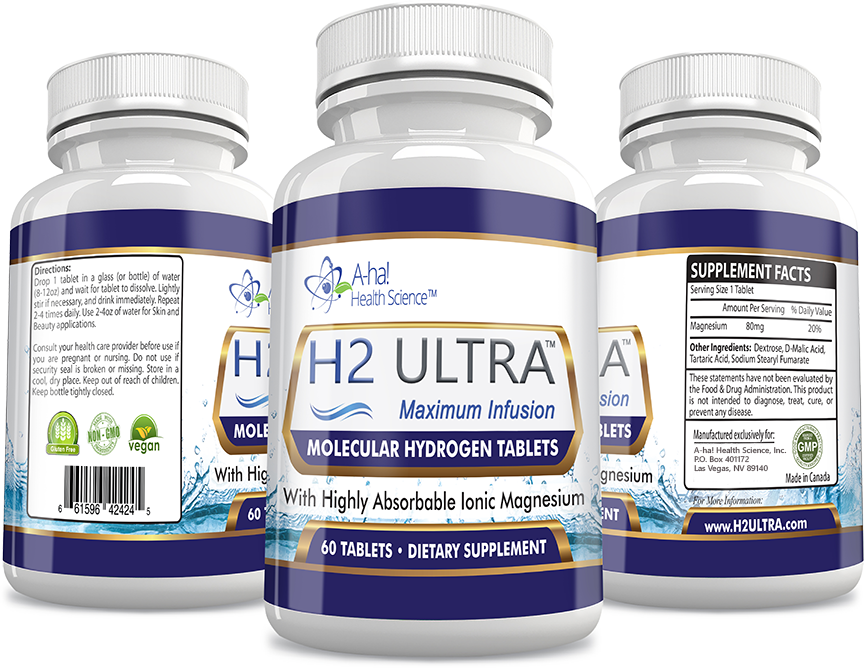
H2 Ultra™
Molecular H2 Tablets
The Highest Quality, Highest Concentration, Molecular Hydrogen Tablets on the Planet.
© 2019 A-ha Health Science
These statements have not been evaluated by the Food & Drug Administration. This product is not intended to diagnose, treat, cure, or prevent any disease.